Blog

View

Comparison Between Palm Jebel And Palm Ali - GAMMA Real Estate

by Rahmeh Tar

Comparison Between Palm Jebel And Palm Ali

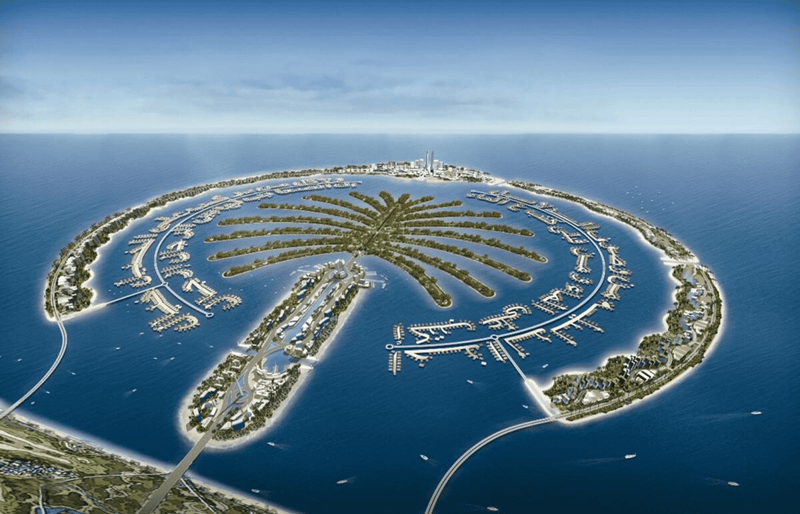
Dubai, the epitome of opulence and architectural marvels, is home to some of the world's most ambitious and iconic projects. Among these, the Palm Jebel Ali and Palm Jumeirah stand out as a testament to Dubai's innovative spirit and determination to reshape its landscape. Both palm-shaped artificial archipelagos were conceived with the vision of creating unique and luxurious destinations, but they differ in design, development, and purpose. In this comparative analysis, we delve into the distinct features of Palm Jebel Ali and Palm Jumeirah, exploring their similarities, differences, and the impact they have had on Dubai's skyline. Geographical Distinction: One of the primary distinctions between Palm Jebel Ali and Palm Jumeirah lies in their geographical locations. Palm Jumeirah, the first of the Palm Islands to be developed, is situated closer to the heart of Dubai along its coastline. Its strategic location enhances accessibility to the city and provides stunning views of the Dubai skyline. On the other hand, Palm Jebel Ali, the larger of the two, is located southwest of the city, featuring a more secluded environment. This distinction in location contributes to the unique ambiance and purpose of each island. Scale and Size: Palm Jebel Ali takes the crown when it comes to size. Spanning over 50 square kilometers, it dwarfs Palm Jumeirah, which covers approximately 25 square kilometers. The sheer scale of Palm Jebel Ali allows for a broader array of development opportunities, including a proposed water theme park, commercial centers, and residential areas. In contrast, Palm Jumeirah, although smaller, focuses more on upscale residential and hospitality developments. Development Status: As of the latest available information, Palm Jumeirah is more developed and populated compared to Palm Jebel Ali. The Palm Jumeirah project commenced earlier and has seen the completion of numerous luxury hotels, residential complexes, and entertainment options. It has become a thriving community, attracting residents and tourists alike. Palm Jebel Ali, being a larger project, is still in various stages of development. While some parts have seen progress, the island awaits further infrastructure development and construction projects to realize its full potential. Architectural Design: Both islands share the iconic palm tree shape, a symbol of prosperity and luxury. However, the design nuances set them apart. Palm Jumeirah features a circular frond design with a crescent at the top, creating a visually striking palm tree shape. In contrast, Palm Jebel Ali adopts a more linear frond design, resembling a palm tree with a straight trunk. The choice of design elements reflects the uniqueness of each project and contributes to the overall aesthetic appeal of the islands. Residential and Commercial Offerings: Palm Jumeirah is renowned for its high-end residential offerings, including luxury villas, apartments, and penthouses. The island also hosts some of the world's most prestigious hotels, contributing to its status as a prime tourist destination. In contrast, Palm Jebel Ali aims for a more diverse portfolio, incorporating residential, commercial, and leisure spaces. The larger land area provides the opportunity for extensive planning, including the proposed water theme park and a variety of commercial ventures. Connectivity: Palm Jumeirah benefits from its proximity to the mainland, connected by a monorail, bridges, and an underwater tunnel. This connectivity enhances accessibility for residents and visitors, facilitating seamless movement between the island and the city. Palm Jebel Ali, while also planned to have similar connectivity features, faces the challenge of its more remote location. The development of efficient transportation links will be crucial to unlock the full potential of Palm Jebel Ali and integrate it seamlessly into Dubai's infrastructure. Economic Impact: Palm Jumeirah has undeniably contributed significantly to Dubai's tourism and real estate sectors. Its iconic status has attracted high-profile residents and visitors, boosting the city's international reputation. Palm Jebel Ali, with its larger scale and diverse offerings, has the potential to have an even greater economic impact. The inclusion of commercial spaces, theme parks, and expansive residential areas positions it as a multifaceted contributor to Dubai's economic growth. Conclusion  The comparison between Palm Jebel Ali and Palm Jumeirah reveals two distinct projects that share a common palm-shaped design but differ significantly in scale, development status, and purpose. Palm Jumeirah, as the pioneer, has set the stage for the grandeur of Palm Islands, while Palm Jebel Ali, with its larger canvas, aspires to redefine luxury living, commercial ventures, and entertainment on an unprecedented scale.
Read more

Differences Between Buying And Renting Luxury Property In Dubai - GAMMA Real Estate

by Mohammad Jouda

Differences Between Buying And Renting Luxury Property In Dubai

Are you at the crossroads of deciding between buying and renting luxury property in Dubai? This is a significant choice that blends dreams of opulent living with pragmatic financial considerations. To help you navigate this decision, we present an insightful exploration of the advantages and disadvantages of both options. From tax implications to financial responsibilities, we'll shed light on the differences between buying and renting luxury property in Dubai.  Advantages of Buying Luxury Property in Dubai Owning a luxury property in Dubai is an aspiration for many, and it comes with several distinct advantages. If you're considering this option, here are the key benefits to keep in mind: Potential Tax Advantages One of the primary advantages of buying a luxury property in Dubai is the potential for tax benefits. Unlike renting, purchasing furnished property can lead to financial gains or losses based on market trends. Investors who buy property in the emirate may enjoy rental guarantees and various tax incentives. This means you have more control over your investment and can set your own rental policies. Long-Term Capital Growth Property ownership in Dubai offers the prospect of long-term capital growth. The city has seen a rising population and demand, which can lead to an increase in property values over time. If you're looking for an investment that can appreciate significantly, owning a luxury property in Dubai is a strong consideration. High Rental Yields Dubai's rental market can be lucrative for property owners. Long-term leases can provide high rental yields, ensuring a steady stream of income from your investment. This is particularly appealing for those seeking a reliable source of income. Stable Government Protection Dubai is known for its stable government, which provides a robust legal framework for foreign property owners. This stability enhances the security of your investment, protecting it from unexpected events such as currency fluctuations. Knowing that your property rights are well-protected can provide peace of mind. Significant Tax Advantages In addition to potential rental income, owning a luxury property in Dubai can provide significant tax advantages. Understanding the tax laws and incentives relevant to real estate investments is imperative. Seeking professional advice from experienced individuals can help you navigate the complexities of property ownership in Dubai. Asset Appreciation Apart from financial rewards, owning a luxury property in Dubai means having access to a secure asset class that appreciates over time. Real estate in Dubai is considered a safe investment, given its consistent growth in value. This provides a sense of financial security that other markets and investments might not offer. Disadvantages of Buying Luxury Property in Dubai High Initial Cost Purchasing luxury property in Dubai can be expensive. The upfront cost includes the property's price, transaction fees, and associated expenses. You must have substantial capital or access to financing to afford a luxury property. Maintenance Costs Property ownership comes with maintenance costs. As a homeowner, you are responsible for ensuring your property is in top condition. This includes regular inspections, repairs, and upkeep. These costs can add up over time, impacting your overall investment return. Legal Requirements Property ownership in Dubai involves adhering to specific legal requirements. These requirements can vary based on the property type, location, and your intended use. Complying with these regulations is necessary to avoid potential legal issues and fines. Market Risks Like any real estate market, Dubai's property market carries certain risks. Market trends can affect the value of your property. While Dubai has experienced consistent growth, it's not immune to economic fluctuations. Be aware of these market risks when investing in luxury property. Property Management Managing a luxury property, especially if you're not a full-time resident, can be challenging. You may need to hire property management services to oversee rentals, maintenance, and other responsibilities. This adds to the overall cost of property ownership. Limited Flexibility Owning a luxury property can limit your flexibility compared to renting. You may be less able to adapt to changes in your life, such as relocating for work or personal reasons. Selling a property can take time and may not always align with your timeline. Advantages of Renting Luxury Property in Dubai Reduced Financial Responsibility One of the primary advantages of renting luxury property is reduced financial responsibility. Unlike homeowners, renters are not burdened with the cost of property ownership, such as maintenance, insurance, and property taxes. This can free up capital for other investments or expenses. Easier Access Renting luxury property in Dubai offers quick and easy access to your desired location. You can move into your rental property without the complexities and financial commitments associated with buying. This flexibility is especially valuable for individuals who may need to relocate frequently. No Maintenance Worries Maintenance and repairs are typically the landlord's responsibility when renting luxury property. If something needs fixing, you can contact the property owner or management, and they will take care of it. This saves you from the hassle and costs of maintaining the property. Flexibility in Location Renting allows you to be flexible with your location choices. You can explore different neighborhoods and communities without being tied to a specific property. This flexibility is valuable for those who want to experience different aspects of Dubai. Community Amenities Many rental properties in Dubai are part of communities or developments that offer a range of amenities. These can include fitness centers, swimming pools, parks, and security services. Renters can enjoy these facilities without the responsibility of ownership. No Mortgage or Property Bills When you rent luxury property, you don't have to worry about mortgage payments, property taxes, or other ownership-related bills. Your monthly rental fee is typically the only significant housing expense, providing predictability in your budget. Disadvantages of Renting Luxury Property in Dubai Limited Control As a renter, you have limited control over the property. You can't make significant changes or renovations without the landlord's permission. This can affect your ability to personalize the space. Rent Increases Dubai's rental market is dynamic, and rent prices can increase over time. This means that your housing costs may go up at the end of your lease term, affecting your budget. Notice Periods Depending on the terms of your rental agreement, you may be required to give notice before leaving the property. This can affect your ability to relocate quickly, especially if you have sudden changes in your plans. Limited Investment Potential Renting does not provide the same investment potential as property ownership. You do not benefit from property appreciation, and you cannot generate rental income from the property. Limited Customization Renters may have limited options for customizing the property to suit their preferences. You must abide by the terms of the lease, which can restrict your ability to personalize your living space. Limited Property Rights As a tenant, you have limited property rights compared to property owners. You must adhere to the rules and regulations set by the landlord or property management. Tax Implications for Buying vs. Renting Luxury Property in Dubai The decision to buy or rent luxury property in Dubai also has tax implications that can significantly impact your financial considerations. Let's explore these tax aspects: Buying Property When you purchase luxury property in Dubai, you encounter specific taxes and fees: Transfer Fee: Buyers are required to pay a 4% transfer fee when property ownership changes hands. This fee contributes to the cost of transferring the property's title. Registration Fee: A registration fee of AED 4,500 is payable to the Dubai Land Department (DLD) when a property is registered. This fee covers the administrative costs associated with registering the property. DLD Commission: If you purchase a property through a real estate agent, a DLD commission of 2% is payable to the DLD. This commission goes to the agent as compensation for their services. Renting Property in Dubai For landlords and property owners, there are tax implications to consider: Income Tax: Dubai does not impose income tax on the rental income received by landlords from their properties. This is a significant advantage for property owners, as it means they can enjoy their rental income without being burdened by income tax. Municipality Tax: Landlords, however, are liable to pay a 5% municipality tax on the annual rental value of their properties. This tax contributes to local government revenues and is an obligation for property owners. Other Taxes To Be Aware Of Apart from the specific property-related taxes mentioned above, there are additional taxes to be aware of in Dubai: Value-Added Tax (VAT): VAT is a 5% tax applied to most goods and services in the UAE. However, certain property transactions are exempt from VAT, such as the sale of residential properties and the long-term lease of commercial properties. Understanding the VAT implications of your property transaction is imperative. Withholding Tax: A withholding tax of 5% is applied to rental payments made to non-UAE residents. This tax can be reduced or eliminated through double taxation treaties. Be aware of withholding tax if you're an expatriate renting luxury property in Dubai. Conclusion Whether you're drawn to the benefits of owning a luxury property or the flexibility of renting one in Dubai, making an informed decision is pertinent. For those seeking the finest in rental experiences, GAMMA Real Estate stands ready to be your trusted partner in this journey, offering an array of distinctive properties and unparalleled expertise to help you find your dream home in this dazzling city.

Read more

How To Buy Property In Dubai? - GAMMA Real Estate

by Mohammad Jouda

How To Buy Property In Dubai?

Dubai's property market warrants attention for its global allure. Understanding legal processes and due diligence is crucial when considering a purchase. The city offers diverse real estate options to suit various preferences. Adherence to regulatory frameworks is essential for acquiring property in Dubai.  Investors benefit strategically by tapping into Dubai's economic appeal. Property ownership extends beyond a transaction, granting access to a unique lifestyle. As economic forces shape the city, acquiring property aligns with Dubai's ongoing evolution. In this cosmopolitan hub, it's essential for those seeking a stake in the emirate's vibrant market to comprehend real estate nuances. Steps To Buying Property In Dubai Understanding the Legal Framework In Dubai, the legal framework for property ownership is structured around designated areas known as freehold zones. These zones are open to non-residents, allowing them to own property without the need for a local partner. It's essential to recognize these specific areas and understand the legal implications associated with property ownership within them. The Dubai Land Department is the regulatory body overseeing real estate transactions. Before entering the market, individuals should acquaint themselves with the department's guidelines. Non-compliance with these regulations can lead to complications during the purchasing process. The legal framework also dictates the types of properties available for non-residents. Awareness of the distinction between freehold and leasehold properties is vital. Freehold properties grant full ownership rights, while leasehold properties involve a lease agreement with a specified tenure. Understanding these distinctions is crucial for making informed decisions aligned with your long-term goals. Choosing the Right Location Dubai's diverse neighborhoods offer various amenities and lifestyles. Researching and identifying the right location involves considering factors such as proximity to workplaces, schools, and recreational facilities. Evaluating the accessibility of transport links is pivotal for daily convenience. Future property development in Dubai plans can significantly impact property value. Stay informed about upcoming projects and infrastructure developments in your chosen area. Government initiatives and urban planning play a crucial role in shaping the city's landscape, making it imperative to factor in these elements when selecting the right location for your property investment. Finding The Right Real Estate Agents Engaging a reputable real estate agent is a pivotal step in navigating Dubai's property market. These professionals know extensively about available properties, market trends, and legal requirements. Verifying their credentials is crucial, ensuring they are registered with the Dubai Land Department. Real estate agents facilitate property viewings and negotiations and guide buyers through the intricate documentation process and legal compliance. Their expertise can be instrumental in identifying properties that align with your preferences and budget. Trustworthy agents also provide insights into potential future property value growth, aiding in making informed investment decisions. Financing Your Purchase Securing financing is a critical aspect of the property acquisition process in Dubai. Understanding the financial requirements and exploring mortgage options is essential. While non-residents can obtain mortgages, it's crucial to be aware of the associated terms, interest rates, and eligibility criteria. In Dubai, the down payment for property purchases is typically higher than in many other countries. Therefore, it's vital to plan your finances accordingly. Calculate the total cost, including registration fees, agent commissions, and potential service charges, to ensure you understand the financial commitment involved. Legal Documentation and Due Diligence After selecting a property, engaging legal professionals to handle documentation and due diligence is imperative. This process thoroughly examines the property's legal status, confirms ownership, and ensures no outstanding debts or legal disputes. Due diligence extends to verifying that the property adheres to all building codes and regulations. Legal professionals also ensure that the seller has the right to transfer ownership and that the property is free from any encumbrances. Completing these steps meticulously safeguards buyers from potential legal complications post-purchase. Legal documentation includes drafting and reviewing contracts.  Title Deed Transfer The title deed transfer is a crucial step in the property ownership process in Dubai, overseen by the Dubai Land Department. To facilitate a smooth transfer, ensure that all necessary paperwork, including identification documents and proof of payment, is in order. Failure to provide accurate documentation can result in delays and complications. Relevant fees and taxes must be paid promptly during the title deed transfer. These fees cover the cost of transferring ownership and are determined based on the property's value. Understanding the fee structure and making timely payments is essential to avoid any disruptions in the transfer process. Verifying the accuracy of information on the title deed is imperative. The document should clearly outline the property's details, ownership information, and any specific conditions or restrictions. Any discrepancies should be addressed and rectified before transferring to prevent future complications. Understanding Service Charges Owning property in Dubai entails service charges covering maintenance, security, and shared amenities within residential communities. These charges contribute to the overall upkeep of the property and its surroundings. Before finalizing a property purchase, it's crucial to understand the specific service charges associated with the chosen development. Service charges are typically calculated based on the property's size and type. Understanding the breakdown of these charges is essential for budgeting purposes. It's advisable to inquire about the services covered by these charges and whether they include utilities, landscaping, or community facilities. Clear comprehension of service charges aids in making informed decisions about the overall cost of property ownership. Navigating Strata Laws Dubai's strata laws govern jointly-owned properties, ensuring a harmonious living environment within shared spaces. These laws outline the rights and responsibilities of property owners in buildings with multiple units. Understanding and adhering to strata laws is crucial for maintaining a positive community atmosphere. Strata laws cover various aspects, including common area maintenance, dispute resolution mechanisms, and decision-making processes for the property's shared spaces. Complying with these regulations fosters a sense of community and prevents conflicts among property owners. Familiarize yourself with the specific strata laws applicable to your property to navigate communal living seamlessly. Residency Visa Considerations Purchasing property in Dubai can potentially open avenues for obtaining a residency visa. Understanding the eligibility criteria and requirements is essential for those considering relocating to Dubai. The value of the property and its type can influence visa eligibility. Property owners may qualify for a residency visa, allowing them to reside in Dubai for extended periods. However, the process involves meeting specific criteria, including property value thresholds. Stay informed about any changes in visa regulations and ensure compliance with the outlined conditions for a successful application. Utilities and Connection Processes Setting up utilities in a newly acquired property involves coordination with various service providers. Water, electricity, and internet services are essential for comfortable living. Understanding each utility's connection processes and requirements is crucial to avoid delays and disruptions. Contacting service providers promptly upon property acquisition ensures a seamless transition. Be aware of any necessary documentation and fees associated with utility connections. Timely initiating of these processes contributes to a hassle-free experience and ensures that essential services are available from the moment you move into your new property. Conclusion Property to buy today in Dubai demands a meticulous approach. It involves understanding legal nuances, selecting the right location, and engaging experienced professionals. These steps are crucial for a successful real estate venture. Remember, adherence to local regulations and due diligence are paramount for a smooth and rewarding property ownership experience in Dubai.

Read more

Palm Jebel Ali - GAMMA Real Estate

by Rahmeh Tar

Palm Jebel Ali

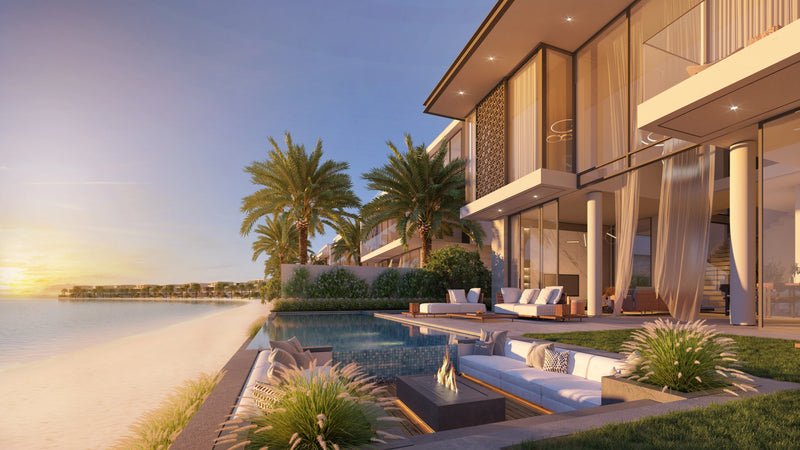
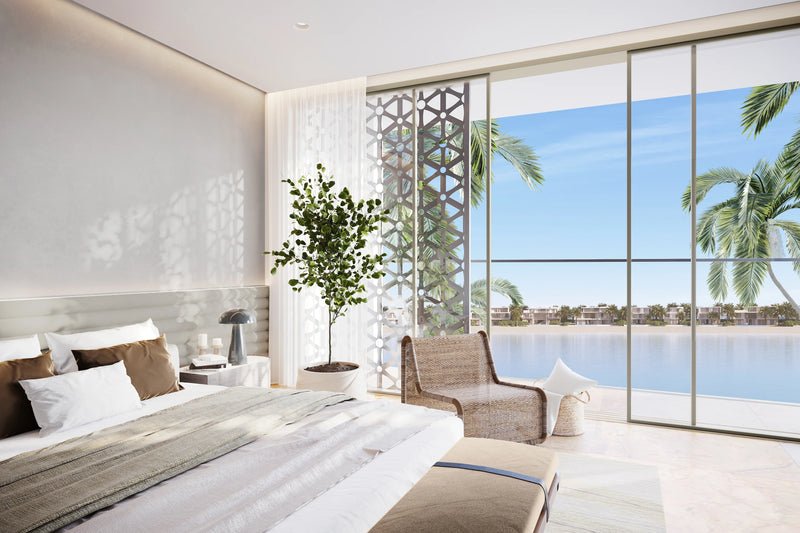
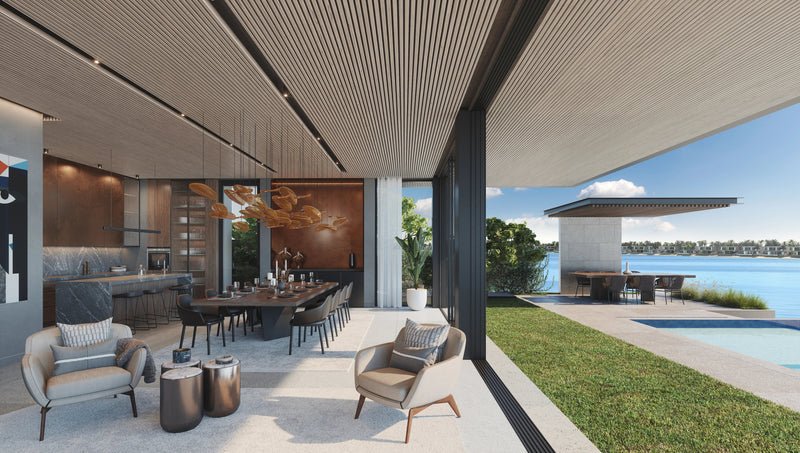
Introducing Palm Jebel Ali - Dubai's Visionary Residential Oasis Nakheel, the eminent real estate master developer in Dubai, has set in motion one of its most ambitious undertakings, Palm Jebel Ali. This visionary project, unveiled to the market, is poised to transform Dubai's landscape. The release of the first villas marks a significant milestone in the development, offering an array of unique residential experiences. A Futuristic Vision Unveiled: Palm Jebel Ali In September 2023, Nakheel launched the first phase of Palm Jebel Ali, a project heralded by His Highness Sheikh Mohammed bin Rashid Al Maktoum. This new development in Jebel Ali holds the promise of reshaping the city's future, enhancing urban infrastructure, and redefining waterfront living. Nestled on 13.4 square kilometers of prime land, Palm Jebel Ali boasts the longest coastline of any destination in Dubai, poised to become the city's premier lifestyle and residential hub. A Multi-Faceted Offering Palm Jebel Ali is an ambitious and people-centric development designed to provide residents, visitors, and citizens of Dubai with an exceptional quality of life. The project features various elements, including: Beach Villas: Where Creativity Meets Contemporary Living The Beach Collection within Palm Jebel Ali offers a unique blend of contemporary architecture and seamless indoor-outdoor living. With up to six generous bedrooms, private ensuite bathrooms, and lush greenery, these villas provide an exclusive waterfront experience. Each Beach Villa showcases distinctive designs, with finishes tailored to complement their individuality. Residents will wake up to the gentle sounds of the sea, blurring the lines between indoors and outdoors, creating a harmonious living space. Coral Villas: A Symphony of Design and Luxury The Coral Collection caters to those with an eye for distinctive architectural design, sophisticated style, and luxurious materials. Each Coral Villa embodies a unique character and offers an environment designed for exclusivity. These villas feature timeless appeal and seamless indoor-outdoor connectivity, making the most of their beachfront setting. With seven ensuite bedrooms, a variety of relaxing spaces, and provision for a guard's house, the Coral Collection promises a lifestyle that seamlessly connects residents to the sea, sky, and design details. Premium Villas Plots: The Blank Canvas of Luxury Living Palm Jebel Ali also offers Premium Villa Plots, allowing homeowners to embark on their own architectural journey. These plots provide the freedom to design and build personalized dream homes. It's an invitation to turn visions into reality, creating a one-of-a-kind sanctuary on the shores of this visionary oasis. Whether it's a modern marvel, a classic masterpiece, or a fusion of styles, these plots open a world of possibilities. With a blank canvas, residents can build a space that resonates with their lifestyle and aspirations, making Palm Jebel Ali not just a place to live but a reflection of individuality. Amenities and Connectivity Palm Jebel Ali is poised to redefine the concept of luxurious living. The project's extensive green spaces, well-thought-out infrastructure, and smart city technology integration will make it a haven for residents and visitors alike. Health and Wellbeing: The four fronds are designed to promote an active lifestyle, with wide walkable streets that encourage pedestrians and cyclists. Residents will have easy access to the beach through pocketed parks, fostering a healthy and vibrant community. Seamless Integration: The villas' design philosophy, featuring floor-to-ceiling windows and soft, neutral palettes, ensures that indoor and outdoor spaces seamlessly integrate, allowing residents to savor panoramic views of the private beaches. This emphasis on connectivity to the surrounding environment enhances the overall quality of life within the frond neighborhoods. Innovative Transportation: The integration of smart city technology ensures efficient transportation management. Residents can expect hassle-free mobility, further elevating their daily experiences on the island. Smart Utilities: From energy-efficient lighting to intelligent waste management, Palm Jebel Ali's commitment to smart utilities will make daily life more convenient, sustainable, and cost-effective for its residents. Jebel Ali: Dubai's Future Growth Center Palm Jebel Ali's strategic location in Jebel Ali holds immense significance for Dubai's evolving urban landscape. The development of this project aligns with Dubai's vision for the future as laid out in the 2040 Urban Master Plan and the Dubai Economic Agenda D33. Rapidly Developing Southern Center: Palm Jebel Ali is poised to become the feature destination in Dubai's rapidly developing southern urban center. As the project unfolds, it will encompass seven islands and 16 fronds, adding a total of 91 kilometers of beachfront to the city. This expansion serves as a testament to Dubai's commitment to delivering world-class urban infrastructure. Economic Growth: Beyond enhancing the city's physical landscape, Palm Jebel Ali will play a vital role in driving economic growth. It will create new opportunities for businesses, generate employment, and contribute to the growth of Dubai's economy. Population Expansion: The project aligns with Dubai's ambition to support sustainable development and facilitate population growth. It provides an attractive destination for people looking for high-quality living experiences, thereby contributing to the emirate's continued population expansion. Cultural Diversity: Palm Jebel Ali's diverse residential offerings will attract a global community. The exchange of ideas and cultures among residents will enrich Dubai's social fabric, contributing to the city's cultural diversity and openness. Urban Innovation: This visionary project will redefine urban living and raise the global benchmark for waterfront lifestyle destinations. As Palm Jebel Ali continues to develop, it will serve as a testament to Dubai's unrelenting pursuit of progress and innovation. A Sustainable Oasis Palm Jebel Ali is not just about luxury living; it's a commitment to sustainability. This groundbreaking project is designed to minimize its environmental impact while enhancing the quality of life for its residents. Green Initiatives: The development will incorporate various eco-friendly measures, including energy-efficient designs, waste reduction strategies, and green building practices. The project aims to be a role model for sustainable urban development in Dubai. Ecosystem Preservation: Nakheel understands the importance of preserving the existing ecosystem. Special care is taken to ensure that the project's construction does not harm the natural environment, and efforts are made to protect local wildlife and ecosystems. Waterfront Protection: With the longest coastline of any destination in Dubai, Palm Jebel Ali is committed to preserving its pristine beaches and waters. Measures will be put in place to maintain water quality and protect the marine ecosystem. Redefine Urban Living And Waterfront Lifestyle In Dubai Palm Jebel Ali represents a monumental step forward in the development of Dubai, promising a brighter, more vibrant future for the city and its residents. With its diverse residential offerings, breathtaking coastal setting, and commitment to enhancing quality of life, Palm Jebel Ali is more than just a project.  It's a testament to Dubai's boundless ambition and commitment to excellence. As the city evolves, this visionary development will continue to shape the landscape and raise the global benchmark for waterfront living and lifestyle destinations. 

Read more

Pricing Trends of Luxury Properties in Dubai - GAMMA Real Estate

by Mohammad Jouda

Pricing Trends of Luxury Properties in Dubai

Dubai's real estate landscape has been a magnet for luxury property enthusiasts, with a skyline adorned by opulent mansions, grand villas, and high-rise apartment buildings. The city's property market has exhibited some remarkable pricing trends in recent years, capturing the attention of investors and buyers worldwide. Let's explore the pricing trends of luxury properties in Dubai in detail.  A glimpse Historical Pricing Trends of luxury properties Historical pricing trends of luxury properties in Dubai offer a fascinating glimpse into the evolution of the city's real estate landscape. Over the past few decades, Dubai has transformed from a modest trading port into a global metropolis, and its luxury property market has mirrored this incredible journey. In the early 2000s, Dubai's luxury property market began to gain international attention. The city's iconic Palm Jumeirah and Burj Al Arab developments set a new standard for opulence. Luxury properties, including spacious villas and high-rise penthouses, started to emerge, with prices reflecting the growing demand from both local and international investors. The financial crisis of 2008 temporarily slowed down Dubai's luxury property market, but it soon rebounded. The subsequent years witnessed a surge in the construction of high-end developments, such as the Palm Jumeirah's villas and the Burj Khalifa's luxury apartments. By the 2010s, Dubai had firmly established itself as a hub for luxury real estate, with record-breaking property deals. The city's exclusive developments, coupled with a tax-free environment and a strategic location, continued to attract high-net-worth individuals and investors. In the past few years, Dubai's luxury property market has experienced substantial growth, especially in prime locations like Jumeirah Bay, Al Barari, and Downtown Dubai. The average price of prime properties in the emirate has surged, reaching a staggering Dh25.2 million ($6.86 million) in the first quarter of this year Factors Influencing Luxury Property Prices in Dubai Several key factors have contributed to this surge in luxury property prices in Dubai: Demand from High-Net-Worth Individuals: Dubai has become a hub for ultra-high-net-worth individuals and high-net-worth individuals, thanks to robust economic growth and political stability. These affluent buyers are attracted to the luxury real estate market as a means to diversify their investments, driving up demand. Limited Supply:  Luxury properties in prestigious areas of Dubai, such as Jumeirah Bay and The Palm Jumeirah, are in short supply. This exclusivity and scarcity have a significant impact on property values, making them even more appealing to investors. Off-Plan Sales:  Off-plan sales have played a crucial role in the luxury property market. In the first quarter of the year, around 70% of apartments sold were off-plan, further fueling the market. Location Matters:  The location of a property plays a crucial role in its pricing. For instance, Jumeirah Bay recorded the highest growth in sales volume, followed by Al Barari and Downtown Dubai, indicating that prime locations command higher prices. Comparison of Luxury Property Prices in Dubai to Other Cities in neighboring countries of GCC  Abu Dhabi - The Capital of the UAE Abu Dhabi, the capital of the United Arab Emirates, is often mentioned in the same breath as Dubai, especially in terms of luxury real estate. While Dubai enjoys the spotlight for its glitzy lifestyle and iconic landmarks, Abu Dhabi has its own share of the luxury property market. In comparison to Dubai's average price of Dh25.2 million for prime properties, Abu Dhabi offers a slightly different landscape. The average price for luxury properties in Abu Dhabi ranges from Dh10 million to Dh15 million. While it's not as high as Dubai's, it's still a significant investment. The demand for luxury homes in Abu Dhabi has been growing steadily, and the city's allure lies in its serene ambiance and beautiful waterfront properties. Doha - Qatar's Rising Star Doha, the capital of Qatar, is another city that has been stepping onto the global stage of luxury real estate. With its booming economy and numerous construction projects, Doha has seen a surge in luxury property development. Luxury properties in Doha are characterized by their opulence and modern design. The average price for luxury apartments in prime areas hovers around QAR 9,000 per square meter. As for luxury villas, they can range from QAR 12,000 to QAR 20,000 per square meter. Doha's luxury real estate market is attracting investors and buyers who seek a combination of modernity and sophistication. Riyadh - Saudi Arabia's Economic Hub Riyadh, the capital of Saudi Arabia, is a city undergoing transformation. With ambitious economic diversification plans and investments in various sectors, Riyadh's luxury property market is evolving. The average price of luxury properties in Riyadh depends on the specific location and features. Luxury apartments in prime areas can range from SAR 7,000 to SAR 11,000 per square meter. Luxury villas, especially in prestigious neighborhoods, can command prices from SAR 10,000 to SAR 15,000 per square meter. Riyadh's luxury real estate market is still growing, and the demand is driven by the city's economic prospects and evolving skyline. Kuwait City - A Taste of Luxury in Kuwait Kuwait City, the capital of Kuwait, offers a unique blend of tradition and luxury. The city's luxury property market is characterized by elegant design and high-end amenities. In Kuwait City, the average price of luxury apartments in prime areas can range from KWD 1,000 to KWD 1,500 per square meter. Luxury villas, often located in exclusive neighborhoods, can command prices from KWD 1,500 to KWD 2,000 per square meter. The demand for luxury properties in Kuwait City is driven by the city's stability and prosperous economy. Muscat - Oman's Hidden Gem Muscat, the capital of Oman, is often considered a hidden gem in the GCC. Its luxury property market is known for its tranquility and stunning landscapes. Luxury properties in Muscat come with a unique coastal charm. The average price for luxury apartments in prime areas can range from OMR 2,000 to OMR 2,500 per square meter. Luxury villas, often nestled in scenic locations, can command prices from OMR 2,500 to OMR 3,000 per square meter. Muscat's luxury real estate market appeals to those seeking a peaceful yet luxurious lifestyle. Comparative Insights Economic Factors: Each GCC city has its economic dynamics. Dubai and Abu Dhabi benefit from diversified economies, while Doha is supported by natural gas reserves. Riyadh is the economic hub of Saudi Arabia, Kuwait City enjoys petroleum wealth, and Muscat thrives on its unique position. These economic factors play a role in the pricing of luxury properties. Location and Features: The location of a luxury property within a city and its unique features significantly impact its price. For instance, properties with waterfront views or iconic landmarks nearby often command higher prices. Dubai's iconic skyline and luxurious amenities contribute to its premium pricing. Supply and Demand: The balance between supply and demand also plays a crucial role. In Dubai, limited supply in prime areas has driven up prices. Other GCC cities are witnessing a growth in luxury property supply, which can influence pricing trends. Investor and Buyer Preferences: Investors and buyers have varying preferences. Some seek the vibrancy of Dubai's luxury lifestyle, while others are drawn to the cultural richness of Doha or the economic opportunities of Riyadh. These preferences contribute to the diversity in pricing trends. ROI and Investment Potential: The potential return on investment (ROI) and future prospects of a city also influence pricing. Dubai's reputation as a global business and tourism hub enhances its investment appeal. Conclusion In luxury properties, Dubai stands as a shining star, offering a lifestyle like no other. As we've explored, its pricing trends surpass many GCC cities, driven by its iconic skyline, economic appeal, and limited supply. Whether you're drawn to the vibrancy of Dubai or the unique charms of its neighboring cities, making informed investment decisions is crucial. For expert guidance in luxury property listing, turn to GAMMA Real Estate, your trusted partner in Dubai's ever-evolving real estate landscape.

Read more

Risks of Buying Properties In Dubai? - GAMMA Real Estate

by Mohammad Jouda

Risks of Buying Properties In Dubai?

Investing in Dubai's real estate market presents potential challenges. Regulatory changes, economic fluctuations, and geopolitical uncertainties can impact property values. The cosmopolitan allure of this city doesn't shield investors from market volatility. It's vital to scrutinize legal aspects and contractual intricacies. Diverse cultures contribute to a dynamic market, but understanding local customs is crucial.  While the city offers opportunities, uninformed decisions may lead to financial setbacks. Thorough research and professional advice become paramount. Dubai's property market reflects global economic trends, emphasizing the need for vigilance. Potential investors must weigh these factors judiciously, recognizing the intricacies of this high-profile market to make informed and secure real estate decisions. Top Risk Of Buying Properties In Dubai Market Volatility: Dubai's real estate market is susceptible to fluctuations influenced by various economic factors. Economic downturns can significantly impact property values, potentially causing financial losses for investors. During economic contractions, demand for properties may decrease, leading to a market surplus and reducing property prices. Investors should closely monitor economic indicators, such as GDP growth, unemployment rates, and consumer confidence, to gauge the overall economic health. Understanding these factors can provide insights into potential market volatility, enabling investors to make informed decisions. Global events and geopolitical situations can also influence Dubai's real estate market. Changes in international trade policies, diplomatic relations, or regional conflicts may create uncertainties that affect investor confidence and, consequently, property prices. Regulatory Changes: Investors and real estate agency in Dubai must remain vigilant about regulatory changes in Dubai's real estate laws, which can impact property ownership rights, visa policies, and leasing terms. Regulatory adjustments can stem from the government's efforts to enhance the market's stability, attract foreign investments, or address emerging challenges. For instance, changes in visa policies can influence the demand for rental properties. Investors should stay informed about any modifications to visa regulations that may affect the influx of expatriates and impact rental yields. Alterations in property ownership laws can have legal implications for investors. Understanding the legal framework and staying updated on any amendments is essential to avoid potential legal challenges or uncertainties related to property ownership. Off-Plan Investments: Off-plan investments, while offering attractive prices, pose specific risks related to project completion timelines. Construction delays can impact the investor's return on investment and disrupt expected rental income. Buyers should exercise caution and thoroughly research developers' track records before committing to off-plan investments. Understanding the developer's reputation, financial stability, and project delivery history is crucial. Investors should assess completed projects by the same developer, evaluate construction timelines, and consider reviews from previous buyers to gauge the reliability of real estate development companies. Investors should be aware of the escrow account system in Dubai, which aims to protect buyers' funds during the construction phase. Ensuring that the developer adheres to the regulations surrounding escrow accounts provides an additional layer of security for investors engaging in off-plan projects. Title Deed Issues: Ensuring a clear and valid title deed is paramount when buying property in Dubai. The title deed serves as legal proof of ownership, and any discrepancies or uncertainties can lead to legal challenges. Investors should engage the services of a qualified legal professional to conduct a thorough title deed verification. Verification involves confirming the authenticity of the title deed, checking for any existing mortgages or liens on the property, and ensuring that the property boundaries align with the deed. This process helps mitigate the risk of investing in a property with unclear ownership status. Buyers should also be aware of potential title deed fraud. Verifying the seller's legitimacy and cross-referencing information with relevant authorities adds an extra layer of security. Due diligence in this regard is essential to safeguarding the investor's legal rights. Market Oversupply: Dubai has experienced periods of oversupply in its real estate market, leading to increased vacancy rates and challenges in securing tenants. Investors should be attentive to market trends and assess the demand and supply dynamics in specific locations before making investment decisions. Understanding the potential for oversupply involves examining new construction projects, the existing inventory, and population growth trends. If the supply of properties surpasses the demand, it can lead to more extended vacancy periods and downward pressure on rental prices. Investors should focus on areas with sustained demand and limited oversupply risks. Conducting thorough market research, considering population growth projections, and analyzing the rental market's historical performance in specific areas can guide investors toward locations with favorable supply-demand balances. Financing Risks: Investors relying on financing should be aware of the potential impact of interest rate fluctuations on mortgage payments. Interest rates can change based on economic conditions, central bank policies, and global financial trends. To mitigate financing risks, investors should consider fixed-rate mortgages, providing stability in monthly payments despite interest rate fluctuations. Before securing financing, consulting with financial experts to understand the available mortgage options, including interest rates, terms, and potential future adjustments, is advisable. A thorough financial assessment, considering potential interest rate hikes, ensures investors can comfortably meet their mortgage obligations throughout the loan term. Currency Fluctuations: Given Dubai's global appeal, real estate transactions often involve different currencies. Currency fluctuations can impact the cost of the property in the investor's home currency. Investors should closely monitor exchange rates and consider using financial instruments, such as forward contracts or currency hedging, to mitigate the risks associated with currency fluctuations. Understanding the impact of currency movements on the overall investment is crucial. Investors should factor in potential currency-related gains or losses when calculating the return on investment. Seeking advice from currency experts or financial advisors can provide valuable insights into managing currency risks effectively. Maintenance Costs: Owning a property in Dubai comes with maintenance costs that vary depending on the property type and location. Investors should be aware of these ongoing expenses, including routine maintenance, repairs, and homeowners' association fees. Factoring in maintenance costs is essential for accurate budgeting and preventing unforeseen financial burdens. Before purchasing a property, investors should inquire about the expected maintenance costs, review the property's condition, and assess any potential long-term maintenance requirements. Engaging with property management services can provide estimates and insights into the typical maintenance costs associated with specific types of properties in different areas of Dubai. Legal Challenges: Navigating legal processes in a foreign real estate market can be intricate. Investors must seek professional legal advice to ensure compliance with local regulations and reduce the risk of legal challenges in the future. Legal considerations include understanding property ownership laws, contractual obligations, and potential disputes that may arise during transactions. Working with experienced real estate attorneys specializing in Dubai's property laws is crucial. Legal professionals can review contracts, verify compliance with regulatory requirements, and provide guidance on navigating the legal landscape. Prioritizing legal due diligence safeguards investors against unexpected legal issues arising during or after the property acquisition process. Market Research: Thorough market research is imperative before making any property investment. Investors should analyze the micro and macroeconomic factors influencing Dubai's real estate market. Macro-level factors include GDP growth, population trends, and government policies, while micro-level factors involve specific neighborhood dynamics, infrastructure developments, and demand-supply balances. Investors should leverage reputable real estate databases, market reports, and insights from industry experts to gather comprehensive data. Understanding current market trends, historical performance, and future projections empowers investors to make well-informed decisions. Regularly updating market research ensures investors remain aware of evolving trends and can adapt their strategies accordingly. Conclusion Prospective investors in Dubai's real estate market must exercise caution. The confluence of cultural dynamism and economic intricacies demands astute discernment. Vigilant scrutiny of regulatory frameworks and wise consideration of geopolitical landscapes are imperative. Navigating this multifaceted arena necessitates meticulous research and sensible guidance.

Read more